Looking at the highest grossing movie franchises of all time , Disney largely dominates the top ten with their Marvel Cinematic Universe which, thanks to ‘Captain Marvel’ (2019, Anna Boden, Ryan Fleck), ‘Spider-man: Far From Home’ (2019, Jon Watts), and ‘Avengers: Endgame’ (2019, Russo’s Brothers), grossed worldwide around 5 billion dollars in 2019.
Following closely on the list, comes the 40 years old movie franchise also owned by Disney: Star Wars. However, while the MCU made almost 18 billion dollars total since its first film came out, the space franchise only made half of that.
While it can be argued that this is a result of Marvel having a bigger fanbase than Star Wars, there is a much simpler explanation. Marvel has produced eleven live action TV shows since ‘Agent of S.H.I.E.L.D‘ (2013-, Joss Whedon, Jed Whedon, Maurissa Tancharoen) in 2013, while Star Wars has had none besides animation.
In the age of video on demand, this lack of visibility on TV platforms has cut the franchise from reaching an audience uninitiated to Star Wars that wouldn’t pay for a cinema ticket but might watch the series if it was available with a subscription to a streaming service, like Marvel Iron Fist or Daredevil are on Netflix.
At least that was until one month ago, when Disney + was launched on November 12, alongside Netflix, Amazon, Hulu, HBO Now and all the other streaming platforms that preceded it, but cheaper. Disney arriving on the public’s phones and laptops was undeniably the biggest thing happening in the TV industry in 2019, and the fans were beyond exited about it happening.
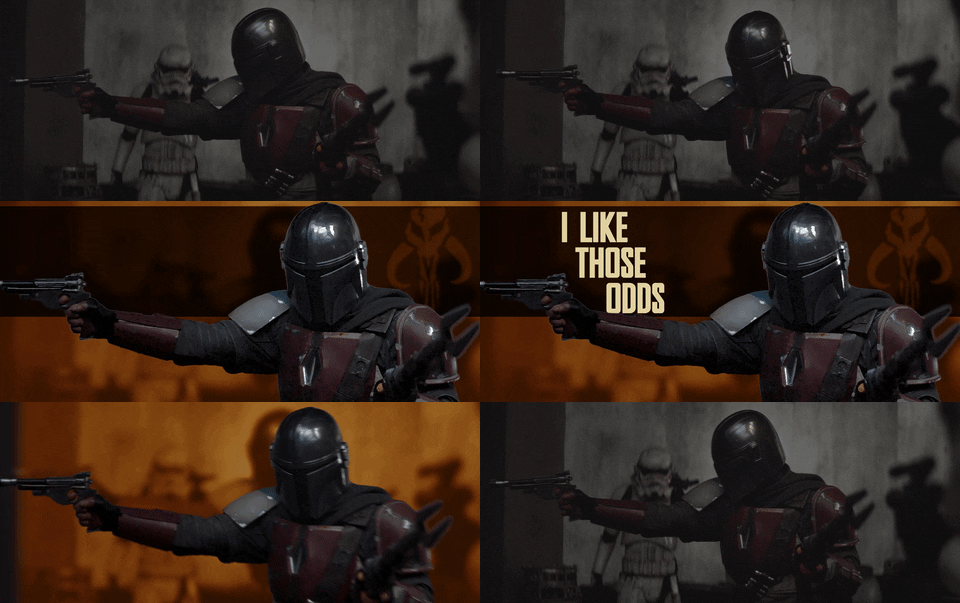
However, Disney needed this launch tool that was going to automatically attract the streaming audience to their platform. This was going to be the first Star Wars live action series ‘The Mandalorian‘ (2019, Jon Favreau), situated chronologically between the first trilogy and the last one. The fans didn’t have a choice but to go buy their licence to Disney + to see the space franchise from a new angle, different than the usual fight between the Sith and the Rebellion storyline, and its surprising format of 30 minute long standalone episodes.

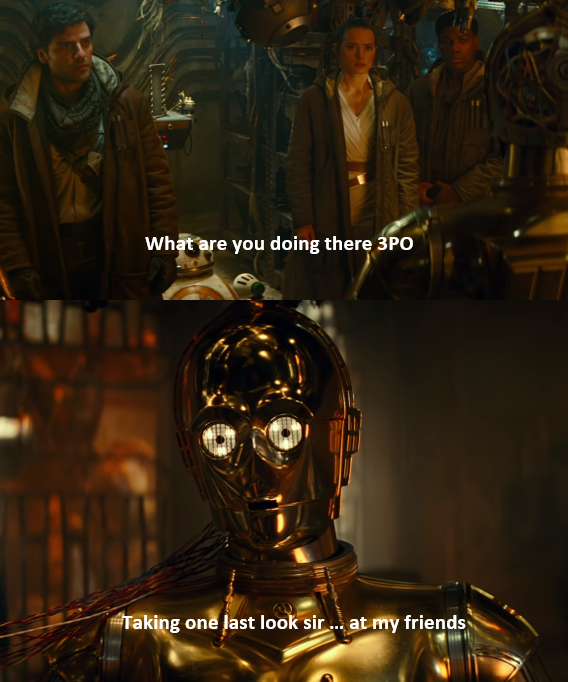
Moreover, The Mandalorian also had to come out at the time it did because it revived the audience’s interest in the Star Wars franchise few weeks before the premiere of the ninth chapter, ‘The Rise of Skywalker’ (2019, JJ Abrams).
Disney actually took their time to release the trailer for The Rise of Skywalker, compared to previous films of the franchise where the trailers all came out in the September preceding their premiere in December.

When it finally released in November, it perfectly coincided with the launch of Disney + with The Mandalorian as main attraction of the streaming platform.
This can be understood by the fact that the main marketing tool used by Disney in this trailer was that the Chapter 9 of the franchise would be the last of the saga: “The saga will end… but the story will live forever.”
In this aspect, The Mandalorian was message to fans saying they could be reassured;’the story will live forever’ on your TV screens at home.
 Léon Bodier